
Why Well Water Testing Matters

Why Well Water Testing Matters
What's in your well — and why you need to know before anything else.
If you’re on well water in Southwest Florida, you are solely responsible for the safety and quality of your water. Unlike city water, which is tested and treated by the municipality before it reaches your home, well water comes straight from the ground — and what’s in the ground is your problem to manage.
The challenge is that the most dangerous contaminants in well water are completely invisible. You can’t see bacteria. You can’t smell E. coli. You can’t taste cryptosporidium. The only way to know what you’re dealing with is to test.
What We Test For
Well water problems generally fall into four categories, and each one requires a different solution:
Hardness & Minerals — High calcium and magnesium content causes scale buildup on fixtures, shortens the life of water heaters and appliances, and leaves that familiar white crust around faucets. A water softener is the standard fix, but the right size depends on your actual hardness level — not a guess.
Iron & Sulfur — If your water leaves orange or rust-colored stains on sinks, tubs, or laundry, you have iron. If it smells like rotten eggs, you have hydrogen sulfide gas. Both are common in Florida well water and both require specific filtration — often an iron block, sulfur block, or aerator system depending on concentration levels.
Bacteria & Microorganisms — This is the one most well owners overlook. E. coli, total coliforms, giardia, and cryptosporidium can be present in any well, especially after heavy rain, flooding, or seasonal groundwater shifts. Public health agencies recommend testing every single year. Most homeowners never do it.
Drinking Water Purity — Even after whole-house treatment, the water coming out of your kitchen tap may still benefit from a final stage of purification. Reverse osmosis and ultra filtration systems provide the highest level of drinking water quality, removing dissolved solids, nitrates, and residual contaminants that whole-house systems aren’t designed to catch.

Why We Test
Before We Recommend Anything
Every well is different. The water two houses down the street may test completely differently from yours depending on well depth, age, proximity to agriculture, and local geology. That’s why Water World tests your water on-site before recommending a single piece of equipment.
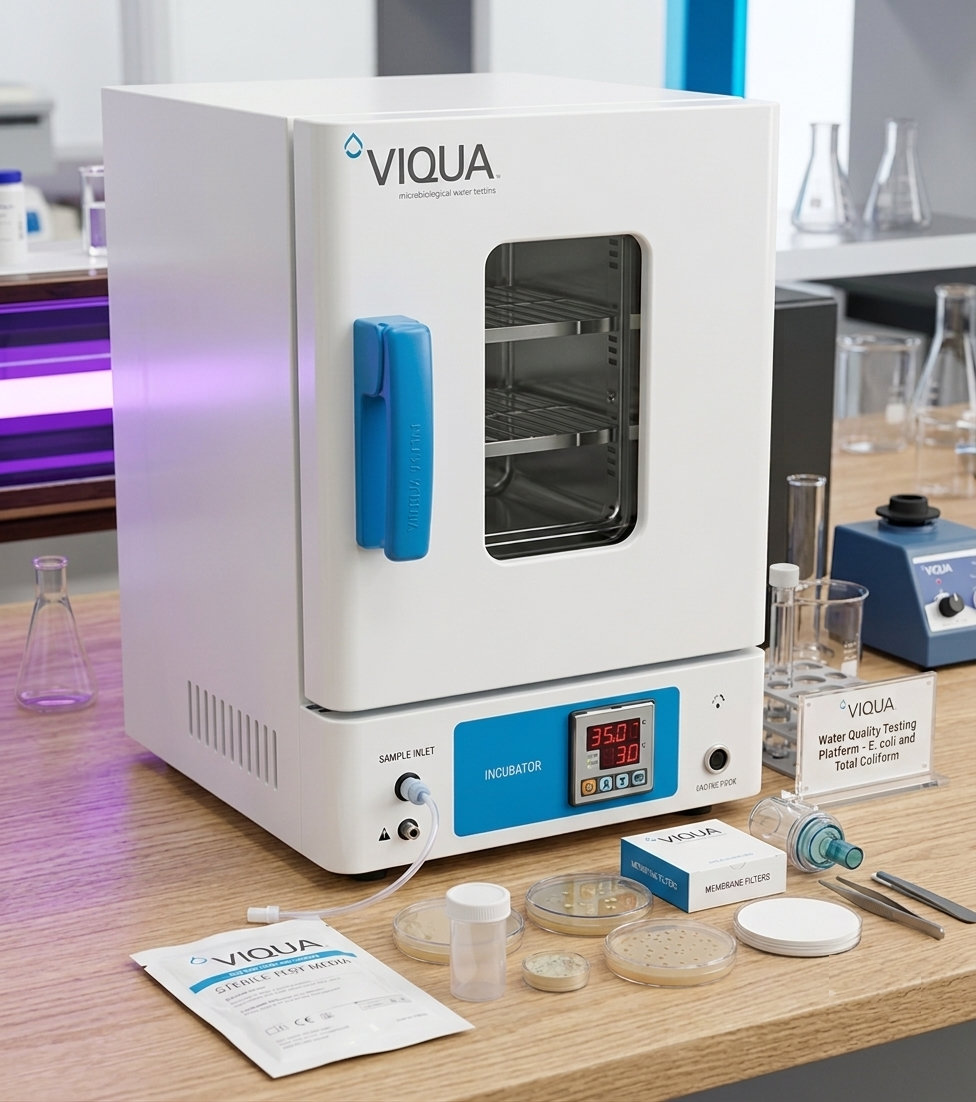
Our in-house microbial testing turns results around in approximately 48 hours — no waiting on a lab, no scheduling delays. Combined with a full water quality assessment, we get a complete picture of what’s in your water and build a solution around that — not around a product we’re trying to move.
If you’re on well water and you’ve never had a professional assessment, now is the time.